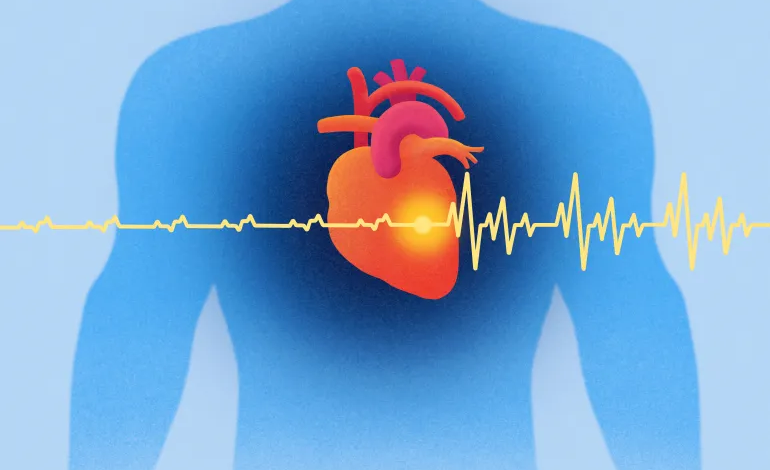
The German Heart Foundation has confirmed that atrial fibrillation is a heart rhythm disorder that occurs when the upper chambers of the heart (the atria) contract or quiver irregularly.
If this irregularity causes blood to pool in the atria, it can lead to the formation of blood clots, which may travel through the bloodstream and cause a stroke. Common symptoms of atrial fibrillation include weakness, dizziness, and chest pain.

Causes and Risk Factors
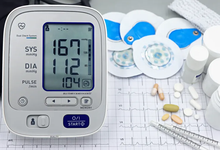
The foundation explained that atrial fibrillation can result from several causes and risk factors, including:
- High blood pressure.
- Heart failure.
- Heart valve defects.
- Coronary artery disease.
- Overactive thyroid (hyperthyroidism).
- Inflammatory diseases such as rheumatoid arthritis, and chronic lung or kidney diseases.
- Sleep apnea syndrome.
- Diabetes.
- Electrolyte imbalances, such as low potassium or magnesium levels.
- Smoking.
- Alcohol consumption.
- Obesity.
Treatment and Prevention
Atrial fibrillation can be treated with medications or through catheter-based procedures. Regular physical activity is also important, with recommendations including walking or light jogging for 150 to 300 minutes per week.
Following a Mediterranean diet is also beneficial, as a healthy diet can reduce the risk of cardiovascular diseases in general, including atrial fibrillation. This diet emphasizes vegetables, fruits, whole grains, and fish while limiting meat and low-fat dairy products, and also recommends reducing salt intake, as excessive salt increases the risk of atrial fibrillation.
It is also essential to quit smoking and avoid alcohol while maintaining a healthy weight to protect heart health and reduce the risk of this heart rhythm disorder.