Billions Needed and Long Waits: ANZ Warns of Major Hurdles to Boosting Venezuela’s Oil Output

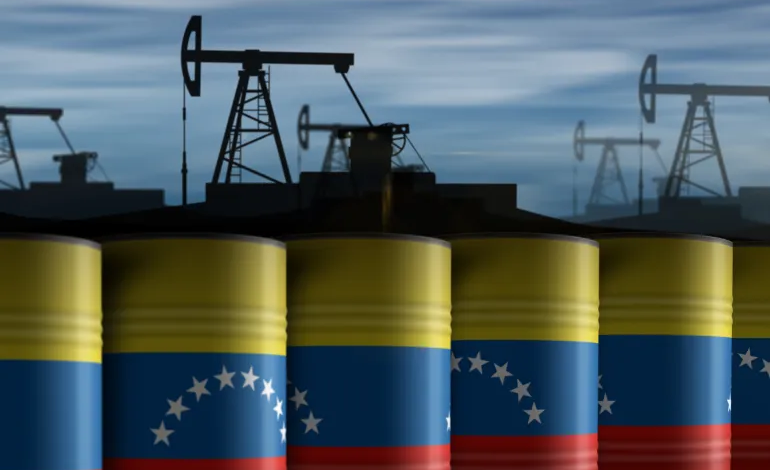
ANZ Group said investors betting on a rebound in Venezuela’s oil production will need substantial financial resources and considerable patience, as the country’s deteriorated infrastructure requires billions of dollars in investment, according to Bloomberg.
In a note issued Tuesday, ANZ strategists Daniel Hynes and Soni Kumari said the typical timelines for increasing oil production in Venezuela are likely to be longer than in other regions due to the structural challenges facing the sector.

They added that it would be difficult to see any meaningful impact from increased investment in oil production before the end of the decade.
ANZ noted that major final investment decisions usually take between one and five years after an initial discovery, followed by first oil within 12 months to two years for conventional onshore reserves, while offshore projects can take up to seven years.
Energy stocks rose after U.S. forces arrested Venezuelan President Nicolás Maduro over the weekend. Venezuela holds the world’s largest proven oil reserves, and U.S. President Donald Trump is expected to look to American oil companies to help revive production.
Required Investment Levels
To maintain production at around one million barrels per day, the South American country would likely need annual investments exceeding $5.5 billion, according to ANZ.
Analysts said capital expenditures to expand conventional onshore fields could range between $10,000 and $30,000 per barrel per day of production capacity.
That translates into $10 billion to $30 billion to increase capacity by one million barrels per day, with costs rising to about $60,000 per barrel per day for deepwater offshore projects.
The bank advised investors to be prepared for the possibility of continued political instability in Venezuela, including significant civil unrest and the persistence of U.S. sanctions.
Meanwhile, Chinese buyers avoided Venezuelan crude offers this week after the U.S. blockade tightened export constraints and pushed prices higher.
Venezuelan Merey crude was offered at a discount of $13 per barrel to ICE Brent, according to Bloomberg sources familiar with the matter, compared with a discount of as much as $15 a month earlier, before the U.S. campaign against sanctioned oil tankers began.
Bloomberg data also showed Venezuelan oil shipments to China fell sharply last month as the maritime blockade intensified, while sellers raised Merey crude offers due to shipping disruptions.