Cambridge Study: The Human Brain Passes Through Five Key Developmental Stages Across a Lifetime

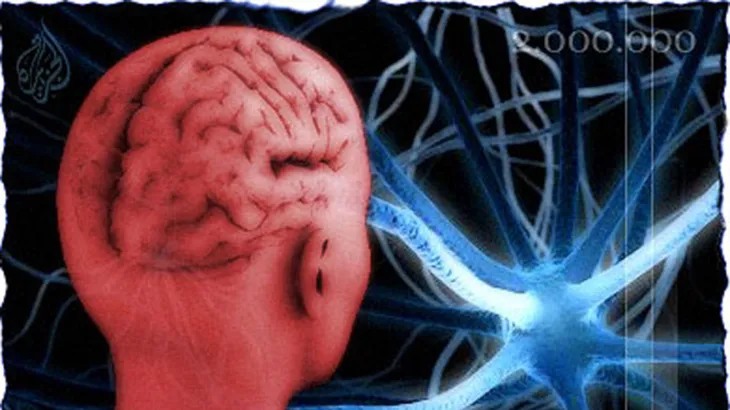
A recent study from the University of Cambridge has revealed that the human brain goes through five major developmental stages throughout life, with critical transition points at the ages of 9, 32, 66, and 83. The study suggests that the brain may remain in an adolescent phase until the early thirties.
According to the research, which was reviewed on the program Ma’a Al-Hakim on Al Jazeera Mubasher, childhood extends until the age of nine and is marked by rapid brain growth. This is followed by adolescence, spanning from age 9 to 32, during which neural networks become more efficient and organized. However, this period is also associated with a higher likelihood of psychological disorders, while peak cognitive efficiency is typically reached in the early thirties.


The study indicates that the stage of adulthood and relative stability begins in the early thirties and continues until around age 66, during which the brain maintains strong performance, though some cognitive abilities begin to decline gradually.
The final stage includes early and late aging, from age 66 to 83 and beyond. During this phase, the brain starts to divide into more independent regions, alongside an increased impact of age-related conditions such as dementia and high blood pressure.
The researchers emphasized that the brain continuously reorganizes itself throughout all stages of life, and that these transformations align with major life milestones such as puberty, parenthood, and aging. This understanding opens broader prospects for improving mental health awareness and preventing age-related neurological diseases.