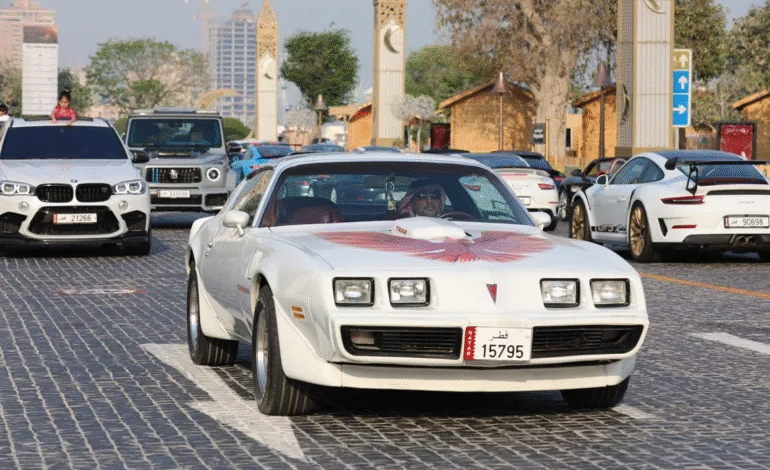
The Qatar Ministry of Commerce and Industry recently issued a decision prohibiting the sale and trade of vehicles that do not comply with Gulf standards, in a regulatory move aimed at improving road safety, ensuring vehicle quality, and protecting consumer rights.
The directive, Circular No. (02) of 2025, issued on August 12, obliges all car dealerships and online platforms to refrain from selling, displaying, promoting, or advertising vehicles that do not meet approved Gulf specifications. Vehicles registered before December 31, 2025—new or used—are exempt. Any vehicle registered after this date without Gulf standard compliance will be considered a clear legal violation, subject to penalties under Consumer Protection Law No. (8) of 2008, which prohibits promoting non-compliant or misleading goods.

Personal Vehicles and Exceptions
The decision raised questions among consumers regarding vehicles imported for personal use, particularly unique models from the U.S. or China or lower-priced imports that do not meet Gulf standards.
The Ministry clarified in a video on social media that the circular applies only to commercial sale and display, while individual imports remain at the discretion of the consumer. This distinction balances regulatory enforcement with personal freedom in vehicle choice.
Gulf Vehicle Standards
In an interview with Al Jazeera, automotive engineer Ahmed Al-Saqqa emphasized the importance of the directive, explaining that “Gulf standards” include technical requirements designed to adapt vehicles to the harsh Gulf climate, which involves extreme temperatures exceeding 50°C, high coastal humidity, and frequent dust and sand exposure.
These standards are divided into two main categories:
1. Comfort and Durability Standards:
- High-capacity air conditioning with reinforced compressors and condensers.
- Dust- and sand-resistant filters, with additional fuel filters in some cases.
- Rust-resistant body structures for coastal areas.
- Thermal insulation and UV-resistant glass.
- Heat-resistant oils and fluids.
- Transmission and engine programming adapted for local fuel and Gulf conditions.
- Larger-capacity batteries and alternators to support electrical systems.
2. Safety Standards (Vital):
- Heat-resistant tires to prevent blowouts on hot asphalt.
- Batteries for electric and hybrid vehicles designed to withstand extreme heat.
- High-efficiency engine cooling systems with larger radiators and extra fans.
- Reinforced suspension and brakes capable of handling high speeds and heat.
- Heat-resistant fuel tanks and insulating materials.
- Electrical charging plugs compatible with Gulf current levels to prevent fire risks.
Al-Saqqa noted that compliance varies by manufacturer, with adherence depending on the minimum or maximum standards set by Gulf certification authorities.
Significance for Consumers and the Market
The decision directly protects consumers from purchasing vehicles that may appear in good condition but are ill-suited for Gulf climate conditions, which could lead to frequent malfunctions or compromised safety. It also raises the overall quality of vehicles in Qatar’s market and fosters trust between buyers and sellers.
Through this directive, Qatar reaffirms its commitment to Gulf standards, promoting a culture of safety and quality in the automotive sector, ensuring a safer driving environment, and strengthening consumer rights.