Understanding how the urinary and reproductive systems work can be complex, but it’s clear that any dysfunction in these organs can cause pain, discomfort, and significant inconvenience. To maintain their health, especially as we age, here are four things you should avoid:
1- Dehydration
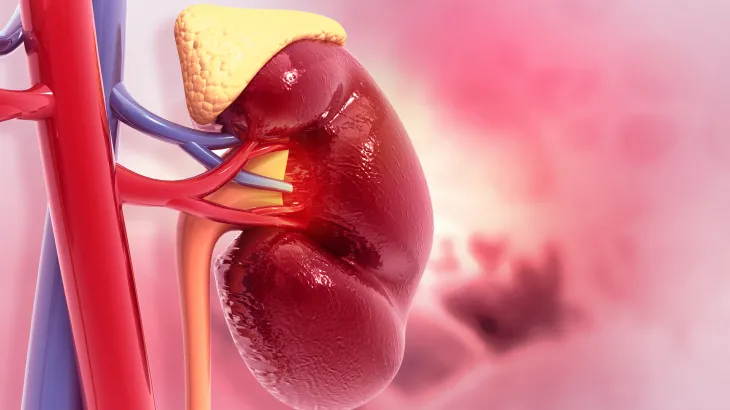
Drinking enough water is essential for regulating body temperature, maintaining mental clarity, supporting joint health, and preventing kidney stones. Stones form when minerals and salts do not dissolve properly in the kidneys, causing severe pain when they move to the ureter or pass through urine.


It is recommended to drink at least 3 liters (about 12 cups) of water daily, minimize added salt, and include citrus like lemon or orange in your water, as citric acid helps prevent stone formation. Studies also show that drinking an additional 1.5 liters of water per day can reduce the risk of urinary tract infections in women.
2- Holding in Urine
Everyone occasionally holds in urine when a bathroom is not nearby, but making it a habit increases the risk of infections, especially for pregnant women or men with enlarged prostates or kidney problems. Frequent urine retention can also lead to reduced bladder function over time.
3- Constipation
Chronic constipation can cause:
- Incomplete bladder emptying.
- Higher risk of urinary tract infections.
- Overactive bladder.
- Difficulty urinating.
To prevent or relieve constipation, engage in regular physical activity, eat more fruits and vegetables, and consider fiber supplements if needed. The goal is to have a daily, easy bowel movement. Adjust fiber intake as necessary to achieve this.
4- Ignoring Blood in Urine
Blood in urine (hematuria) can indicate several conditions beyond menstruation, including:
- Enlarged prostate.
- Kidney stones.
- Urinary tract infections.
- Bladder cancer.
Never ignore blood in urine, even if it appears only once, and consult a urologist immediately to ensure your safety. The color of blood may range from pink to brown depending on the cause.