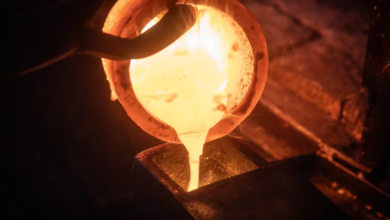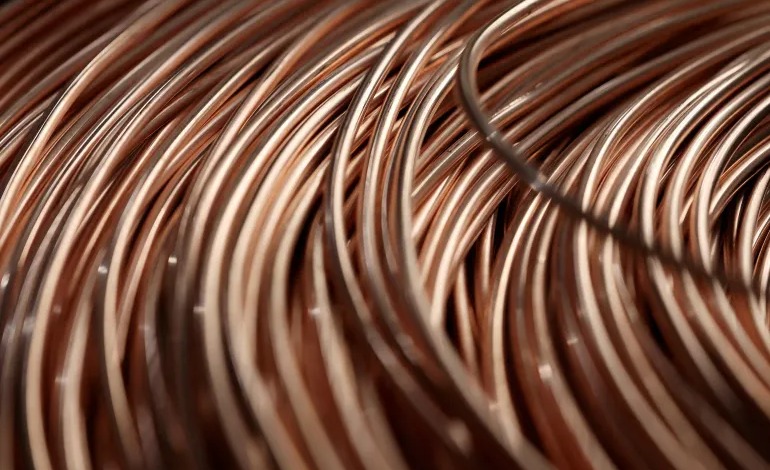
Copper prices in Egypt have recorded sharp increases, driven by significant gains in global markets, placing mounting pressure on the electrical and sanitary manufacturing sectors and pushing up end-product prices.
Currently, the price of red copper scrap in the Egyptian market ranges between EGP 350 and EGP 430 per kilogram, while yellow copper trades between EGP 280 and EGP 340 per kilogram. Mixed copper is priced between EGP 280 and EGP 300 per kilogram. On a larger scale, a ton of red copper scrap ranges from EGP 360,000 to EGP 410,000. Pure red copper has reached approximately EGP 590 per kilogram, depending on grade and purity.

Globally, copper prices have surged by more than 30% on the London Metal Exchange this year, with reports indicating an overall increase of around 40% in 2025. Prices have exceeded $13,000 per ton amid strong demand from advanced technology sectors, particularly electric vehicles, power cables, renewable energy infrastructure, and artificial intelligence applications.
The rally has been fueled by tightening global supply, raw material shortages, and concerns over potential U.S. tariffs on copper imports. The U.S. administration recently requested an updated assessment of the domestic copper market, raising speculation about possible trade measures. Anticipation of tariffs has accelerated copper shipments to the United States, reducing global inventories and amplifying price pressures.
In Egypt, these global dynamics have translated into higher production costs for manufacturers. Industry representatives report that copper price increases have significantly impacted cable and wire production, as well as sanitary products such as faucets, pipe fittings, and plumbing components. Final product prices are expected to rise between 15% and 40%, depending on copper content and product specifications.
Local factors have also compounded the issue. Import tariffs on copper, alongside limited supply and market practices by some traders seeking higher margins, have added further strain. Some manufacturers have reduced distributor discounts or partially absorbed cost increases to remain competitive, while others are exploring aluminum substitutes to mitigate input costs.
Market participants have also warned about the spread of unlicensed factories producing substandard electrical products with lower copper content. These products pose serious safety risks, particularly in wiring systems that may increase the likelihood of electrical fires.
Analysts suggest that ongoing global competition over strategic minerals, coupled with structural supply-demand imbalances, could keep copper prices elevated in the near term. This outlook presents continued challenges for Egypt’s industrial sector and may further weaken consumer purchasing power if cost pressures persist.