Russia imported around 460,000 tonnes of automotive fuel in August, as several regions faced fuel shortages following Ukrainian drone attacks that damaged major oil refineries.
According to data from the London Stock Exchange Group and energy-sector sources cited by Reuters, around 370,000 tonnes of the imported fuel arrived by sea during the month. Most of the shipments consisted of gasoline supplied by India, Turkey and Morocco and delivered to Russian ports on the Baltic Sea and in northern regions.

More Gasoline Shipments on the Way
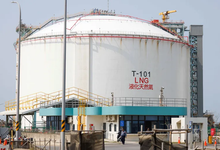
The data showed that at least two additional gasoline cargoes totaling approximately 80,000 tonnes are expected to reach Russian ports next week.
Russian Deputy Prime Minister Alexander Novak said in mid-August that Russia had begun importing fuel, although he did not disclose the quantities involved or identify the sources of the supplies.
The imports come as several major Russian refineries were hit by repeated Ukrainian drone attacks over the past two weeks, disrupting operations at facilities including the Perm, Nizhny Novgorod, Kirishi and Yaroslavl refineries, all important producers of automotive fuel.
Russian Gasoline Output Falls to 70% of Domestic Consumption
Industry data indicated that Russian gasoline production had fallen by the end of August to around 70% of domestic consumption, after repeated attacks forced major refineries to suspend or reduce operations.
Reuters estimates that fuel demand during the summer reached approximately 115,000 tonnes per day, increasing pressure on domestic supplies and making imports increasingly necessary for Moscow.
In late July, two energy-sector sources told Reuters that Russia had imported a seaborne shipment of around 30,000 tonnes of AI-92 gasoline from Morocco, highlighting the growing reliance on foreign supplies.
Moscow Seeks Alternative Sources of Supply
The Russian government has introduced several measures to contain the fuel crisis, including importing gasoline by rail from Belarus and Kazakhstan, while also imposing restrictions on fuel exports to prioritize the domestic market.
Kazakhstan announced in August that it had reached an agreement with Russia allowing the Kondensat refinery in the country’s west to process Russian crude. Under the arrangement, up to 70% of the resulting gasoline and diesel production could be directed to the Russian market, while around 30% would remain in Kazakhstan, according to Interfax.
Russia has also begun importing diesel by sea from Asian countries to ports in the country’s Far East, seeking to compensate for the decline in domestic refinery output.
Fuel Shortages Push Up Prices
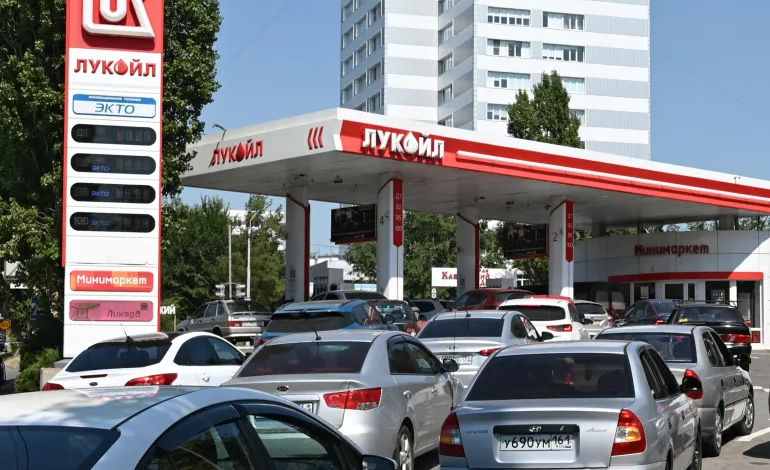
Disruptions at refineries have caused fuel shortages and long queues at filling stations in several Russian regions, while gasoline and diesel prices have also risen.
The Russian central bank previously said that refinery damage and declining production of petroleum products had contributed to higher fuel prices.
It estimated that rising fuel costs added approximately 0.3 percentage points to consumer-price growth in June, followed by another 0.2 percentage points during the first two weeks of July.
The surge in fuel imports highlights the growing pressure on Russia’s domestic energy market, with the restoration of refinery capacity becoming increasingly important to ease shortages and contain rising fuel prices.