Respiratory Infections Among Pilgrims: The Most Common Health Challenge During Hajj and Prevention Measures

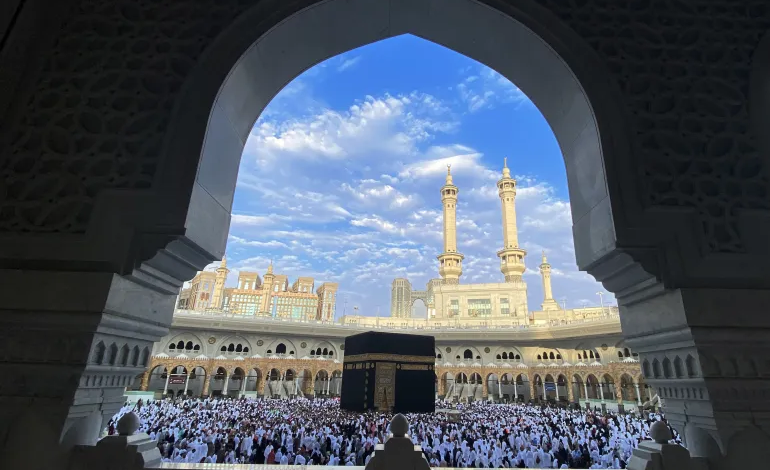
Respiratory tract infections are among the most frequently reported health problems affecting pilgrims during the Hajj season. Various outbreaks across different seasons have recorded cases of influenza, tuberculosis, whooping cough, as well as common colds (coryza), sinusitis, and pharyngitis.
Older adults and individuals with chronic illnesses are at greater risk of developing severe complications such as pneumonia and bronchitis. Medical data indicates that rhinoviruses are the most prevalent pathogens among pilgrims, followed by influenza viruses and then coronaviruses.

Spread of Infection in the Hajj Environment
Influenza is considered the most common upper respiratory infection during Hajj, largely due to extreme crowding and the gathering of millions of people from around the world, which facilitates viral transmission through respiratory droplets produced by coughing and sneezing.
International travel also increases the risk of infection spread, as some pilgrims may contract the virus before departure without showing symptoms due to the incubation period. Symptoms may appear only after arrival in Saudi Arabia, increasing the likelihood of transmission to others.
Other respiratory infections include Middle East Respiratory Syndrome Coronavirus (MERS-CoV), which is transmitted in crowded environments or through direct contact with animals, particularly camels.
Food- and waterborne diseases also spread among pilgrims, often causing gastrointestinal symptoms such as diarrhea, vomiting, and nausea, sometimes occurring alongside respiratory infections.
The widespread transmission of these diseases is attributed to overcrowding, physical exhaustion, and prolonged exposure to heat, all of which weaken immunity and increase susceptibility to infection.
Mechanisms of Disease Transmission
Respiratory infections spread easily among pilgrims through airborne droplets, especially in densely crowded areas. Coughing and sneezing play a major role in transmitting viruses between individuals.
Some pilgrims may also arrive during the incubation period of an illness, making them asymptomatic carriers who unintentionally contribute to the spread of infection.
Health Guidelines and Prevention Measures During Hajj
Health authorities recommend a series of preventive measures to reduce the risk of infection, including:
- Receiving the seasonal influenza vaccine at least 10 days before Hajj, particularly for elderly individuals, pregnant women, children, and those with chronic diseases.
- Receiving the COVID-19 vaccine for high-risk groups, including older adults and patients with heart, lung, kidney diseases, immunodeficiency, or neurological disorders.
- Maintaining personal hygiene by washing hands with soap or using alcohol-based sanitizers after coughing, touching surfaces, using restrooms, or eating.
- Wearing face masks in crowded areas, which has been shown to significantly reduce the risk of respiratory infections.
- Getting adequate rest and staying hydrated when experiencing cold symptoms, along with using pain relievers when necessary.
- Avoiding close contact with infected individuals and not sharing personal items.
- Avoiding direct contact with animals, especially camels, in markets and farms.
- Utilizing telemedicine services for remote medical consultation and early detection of complications.
Prevention of Gastrointestinal Infections
To reduce food- and waterborne diseases, pilgrims are advised to:
- Avoid drinking unboiled camel milk.
- Wash fruits and vegetables thoroughly before consumption.
- Avoid exposed or improperly stored food.
- Ensure food is properly cooked and avoid raw or undercooked meat.
- Avoid consuming food stored under unsanitary conditions or showing signs of spoilage.