Regional Mediation Efforts Intensify to Contain Escalating Tensions Between Washington and Tehran

Regional efforts to contain the escalating tensions between the United States and Iran are gaining momentum, as the crisis enters a more sensitive phase following the expiration of the deadline set in a memorandum of understanding signed by the two sides in June, without a final agreement being reached on the outstanding issues.
As negotiations have stalled and mutual threats have intensified, regional mediation has emerged as one of the main channels available to prevent the confrontation from developing into a broader conflict. Oman and Pakistan have stepped up diplomatic efforts in an attempt to keep the door to negotiations open.
Oman Launches New Diplomatic Effort Over Strait of Hormuz
Iran announced that Omani Foreign Minister Badr Albusaidi will visit Tehran as part of renewed consultations on regional developments and the crisis surrounding the Strait of Hormuz.
Iranian Foreign Ministry spokesman Esmaeil Baghaei said Albusaidi would meet Iranian Foreign Minister Abbas Araghchi to discuss bilateral cooperation and developments in the region.
The visit comes amid statements by Iranian officials indicating that progress may be possible in talks with Oman over arrangements for regulating maritime traffic through the Strait of Hormuz, one of the world’s most important energy shipping routes.
However, Tehran has stressed that any agreement on transit routes would not necessarily mean the complete reopening of the strait. Iran has linked such a step to US commitments, including what it describes as the need for Washington to honor previous pledges and provide compensation for violations of the earlier memorandum of understanding.
Pakistan Steps Up Its Mediation Efforts
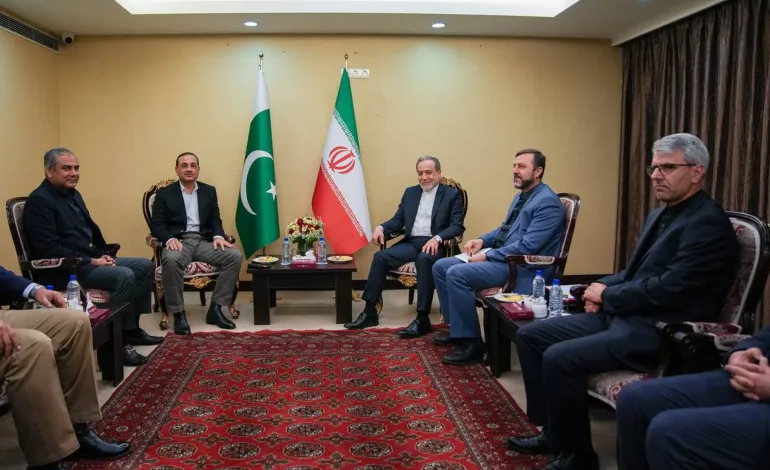
At the same time, a Pakistani delegation arrived in Tehran in another attempt to advance de-escalation efforts. Pakistani army chief Asim Munir traveled to the Iranian capital for talks with senior officials.
The Pakistani delegation also reportedly includes Interior Minister Mohsin Naqvi, while sources said the army chief had spoken by telephone with US President Donald Trump before traveling to Tehran.
The move comes at a particularly sensitive moment, following the expiration of the deadline set by the June memorandum without a comprehensive agreement or an announced extension.
Islamabad is seeking to build on mediation efforts that began in April, when Pakistan worked to bring Washington and Tehran closer together and encourage the two sides to engage in direct negotiations.
60-Day Deadline Expires Without Agreement
The memorandum signed by the United States and Iran in June established a 60-day negotiating window aimed at reaching a final settlement on the issues that had remained disputed between the two countries.
The agreement included a commitment to permanently halt military operations and create conditions for a political and diplomatic process.
However, the understanding suffered a series of setbacks in the following weeks. Trump announced in July that the agreement had ended, while Tehran later declared that it was suspending its implementation. The two sides subsequently exchanged accusations over responsibility for the collapse of the arrangement.
With the deadline expiring on August 17 without a final agreement, concerns have grown that the de-escalation process could collapse altogether, particularly as threatening rhetoric and US economic pressure on Iran continue to intensify.
Washington Tightens Economic Pressure on Iran
The diplomatic efforts have coincided with a major escalation on the economic front, with the Trump administration announcing new measures aimed at tightening financial pressure on Iran and cutting off revenue streams that Tehran relies upon.
US Treasury Secretary Scott Bessent said Washington was preparing a broad financial campaign against Iran, warning countries that provide financial or economic channels to Tehran that they could face similar consequences.
The United States is seeking to pressure countries and companies that maintain economic ties with Iran in an effort to restrict Tehran’s access to financial resources that could support its regional policies.
Washington has also warned that any attack targeting US forces or its allies in the Gulf would trigger a direct and decisive response.
The US administration is expected to provide further details on the new sanctions mechanisms as economic pressure on Iran continues to mount.
Tehran Vows to Respond
Iran, meanwhile, has adopted a tough stance toward the US threats, insisting that it will not remain passive in the face of military or economic measures targeting the country.
Tehran has warned that further sanctions or measures targeting its interests in the region could trigger a response. Iranian officials have also issued warnings to countries that may cooperate with US sanctions.
A major part of the confrontation is centered on the Strait of Hormuz, a strategically vital waterway through which a significant share of global oil and gas shipments passes. Any prolonged disruption to maritime traffic could quickly affect energy markets, shipping costs and insurance rates.
Can Mediation Prevent a Wider Conflict?
The latest developments place Omani and Pakistani mediation efforts before a difficult test, as both countries are attempting to work in an environment where Washington and Tehran continue to send sharply conflicting political messages.
Although indirect communication channels remain open, intensified sanctions, mutual threats and the absence of a clear agreement on the core disputes make a rapid settlement difficult.
Nevertheless, the continued diplomatic visits and contacts suggest that the diplomatic track has not been completely closed. Regional mediators are still seeking a formula that would give both sides room to return to negotiations and prevent the crisis from developing into a wider military confrontation.
The next phase is likely to depend largely on the ability of Oman and Pakistan to narrow the differences between Washington and Tehran, particularly over the Strait of Hormuz and the guarantees demanded by both sides.
Washington is seeking to use economic pressure to push Tehran toward concessions, while Iran is attempting to ease the pressure without surrendering the strategic leverage it retains in the region.