Mauritania Hosts High-Level Forum on Climate, Peace and Security in the Sahel and Gulf of Guinea

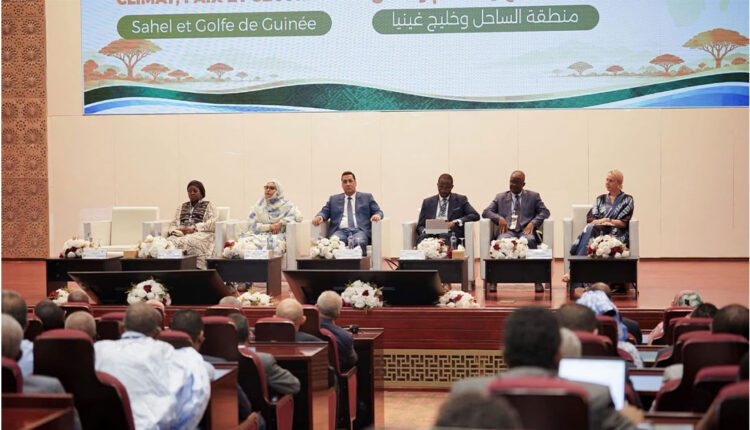
Mauritania is hosting a high-level forum in Nouakchott focused on the links between climate change, peace and security in the Sahel and Gulf of Guinea, bringing together officials and experts to discuss common challenges and ways to strengthen regional resilience.
Climate, Peace and Security: Interconnected Challenges
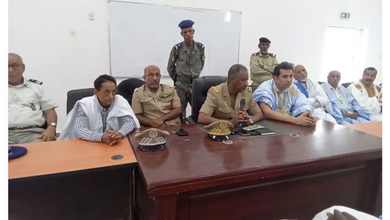
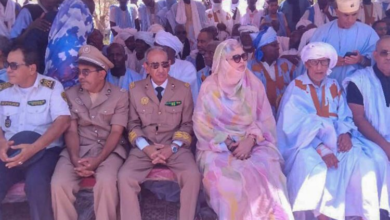
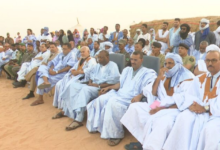
Prime Minister Mokhtar Ould Djay opened the forum on Tuesday in Nouakchott on behalf of President Mohamed Ould Cheikh El Ghazouani, at the Al-Mokhtar Ould Daddah Conference Palace.
Held under the theme “Together for Resilience and Peace,” the three-day forum is being organized in cooperation with the United Nations Development Programme (UNDP).
The meeting builds on the forum held in Bamako in November 2023, expanding its scope to include the Gulf of Guinea alongside the Sahel.
Participants are examining how climate change is increasingly contributing to economic and social vulnerability through drought, desertification, land degradation, pressure on water resources, flooding and coastal erosion. These challenges can directly affect food security, drive displacement and migration, undermine stability and place additional pressure on national economies.
The discussions emphasize that climate action cannot be separated from development, human security and peacebuilding, and should be incorporated into public policies, investment strategies and efforts to prevent and manage crises.
A Call for Greater International Solidarity with Africa
Despite contributing relatively little to global greenhouse gas emissions, Africa remains among the regions most exposed to the consequences of climate change.
The forum therefore highlights the need for stronger international solidarity, particularly through increased climate financing, support for adaptation programs, technology transfer and capacity-building initiatives.
Participants are also seeking to strengthen Africa’s voice in international climate negotiations and ensure that the priorities of vulnerable countries receive greater attention.
Mauritania Highlights Its Climate Action Efforts
Mauritania is presenting a number of initiatives aimed at addressing the environmental and climate challenges facing the country.
These efforts include the implementation of its third Nationally Determined Contribution (NDC 3.0), land restoration and rehabilitation programs, coastal protection measures, biodiversity conservation and initiatives aimed at developing a greener economy.
The country is also working to improve coordination among different sectors involved in climate and environmental policies.
The timing of the forum is particularly significant as countries prepare for the COP31 climate conference in Antalya, Türkiye. The meeting provides an opportunity to reinforce the African perspective on climate issues and advocate for greater support for countries facing the most severe impacts.
Regional Cooperation to Address Cross-Border Risks
Participants stressed the importance of regional cooperation because many of the challenges affecting the Sahel and Gulf of Guinea extend beyond national borders.
Natural resources, pastoral and agricultural systems, coastal areas, watersheds and population movements are closely interconnected across the region, making coordinated action essential.
The forum calls for stronger dialogue, information-sharing mechanisms, early-warning systems, integrated management of natural resources and increased investment in regional resilience.
Such measures are viewed as essential to reducing tensions, preventing crises and strengthening the ability of communities and governments to respond to climate-related risks.
Environment Minister: Common Challenges Require a Collective Response
Mauritania’s Minister of Environment and Sustainable Development, Massouda Mint Baham Ould Mohamed Laghdaf, emphasized that the Sahel and Gulf of Guinea are facing interconnected challenges that require a coordinated and innovative response.
She pointed to climate change, pressure on natural resources, land degradation, extreme weather events and socioeconomic difficulties as factors that can reinforce one another and increase risks to stability and development.
The minister stressed the importance of collective action and stronger cooperation among regional countries and international partners to address these challenges and build more resilient societies capable of maintaining peace and sustainable development.