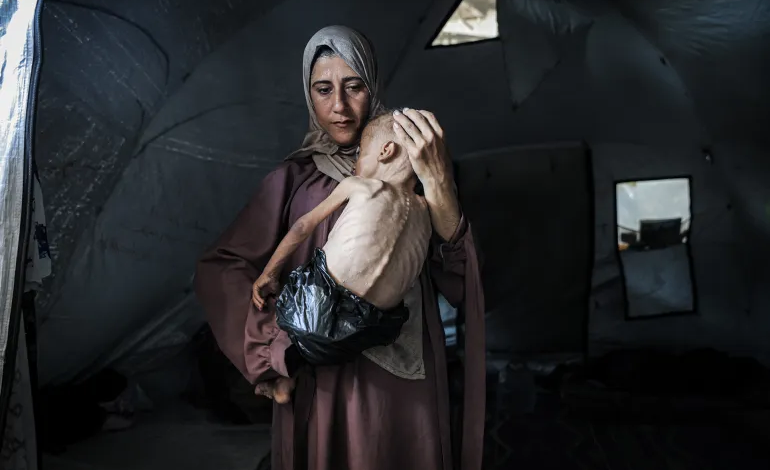
Malnutrition is a health condition caused by an individual not receiving an adequate amount of essential nutrients or by an imbalance in their diet. It includes undernutrition, when nutrient intake falls below the body’s needs, as well as overweight and obesity, when nutrient and energy intake exceeds the body’s requirements.
Malnutrition weakens the immune system and affects children’s growth and development. According to the World Food Programme, it is one of the leading contributing factors to disease and is a major cause of nearly half of all deaths among children under the age of five.

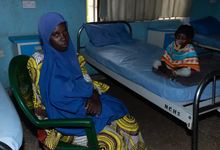
In the Middle East and North Africa, a UNICEF report published in 2019 found that more than 16 million children under the age of five suffered from malnutrition, particularly in countries affected by conflict, including Syria, Yemen, Sudan and Libya. The report also noted that children suffering from severe acute malnutrition face a risk of death approximately 11 times higher than that of well-nourished children.
What Causes Malnutrition?
Malnutrition has multiple, often interconnected causes. The main contributing factors include:
- Humanitarian crises caused by famine, wars, natural disasters and climate change, which can force people to rely on inadequate diets.
- Rising food prices and shortages of nutritious food in areas affected by wars, armed conflicts or natural disasters.
- Poverty and difficulties in accessing nutrient-rich foods.
- Diseases or disorders that interfere with the absorption of nutrients, such as celiac disease, which is associated with gluten intolerance, or lactose intolerance.
- An unbalanced diet that provides the body with some nutrients while depriving it of others.
Symptoms
Symptoms of malnutrition vary depending on the type of nutrient deficiency and its severity. Common symptoms include:
- Muscle weakness.
- Low mood.
- Severe fatigue.
- Menstrual irregularities or cessation of menstruation.
- Hair loss.
- Growth problems in children.
Complications
Malnutrition can cause serious complications, particularly among children. It may lead to delayed physical and mental development, impair cognitive development and academic performance, and ultimately affect a person’s educational and economic opportunities later in life.
Chronic undernutrition can also cause stunting, whose effects on growth may become irreversible after a certain age.
Malnutrition also increases children’s vulnerability to infections and diseases, including pneumonia, malaria, diarrhea and measles. It can affect the health of pregnant women and the health and development of their children even before birth, and is associated with a higher likelihood of low birth weight. In severe cases, these complications can become life-threatening.
Types of Undernutrition
According to the World Health Organization, undernutrition can be divided into four main forms:
- Wasting: Low weight-for-height. It indicates severe weight loss resulting from inadequate food intake or an illness that causes weight loss. Moderate or severe wasting can increase the risk of death among children, but it is treatable.
- Stunting: Low height-for-age. It results from chronic or recurrent undernutrition and is generally associated with poor socioeconomic conditions, inadequate maternal health and nutrition, recurrent illness, and insufficient nutrition and care during infancy and early childhood.
- Underweight: Low weight-for-age. It may result from stunting, wasting, or a combination of both.
- Micronutrient deficiencies: A condition in which the body does not receive sufficient amounts of essential vitamins and minerals required for vital functions, including the production of enzymes, hormones and other substances necessary for healthy growth and development.
Global Prevalence
World Health Organization data for 2022 indicate that malnutrition in its various forms has become a widespread global problem. Around 390 million adults were underweight, while approximately 2.5 billion adults were overweight, including nearly 890 million people living with obesity.
Overweight affected around 390 million children and adolescents between the ages of 5 and 19, including approximately 160 million living with obesity. Meanwhile, around 190 million children were affected by wasting.
Among children under the age of five, an estimated 149 million suffered from stunting, while approximately 37 million were overweight or obese.
According to the organization, malnutrition—particularly undernutrition—contributes to nearly half of all deaths among children under five, with the majority of these deaths occurring in low- and middle-income countries.
Wars and Malnutrition
A 2019 report by the United Nations Children’s Fund (UNICEF) revealed that more than 16 million children under the age of five suffered from malnutrition across the Middle East and North Africa, particularly as a result of conflicts in Syria, Yemen, Sudan and Libya.
The organization said that around 11 million of these children were suffering from chronic or acute malnutrition, including more than seven million children affected by stunting and 3.7 million suffering from acute malnutrition.
Syria
In 2019, a UNICEF survey found that the rate of malnutrition among children in Syria stood at 1.7%. By 2025, the rate had nearly tripled, reaching approximately 4.8%.
Child malnutrition rates in 2023 had exceeded the emergency threshold set by the World Health Organization in around one-third of Syria’s governorates. Coastal areas recorded rates as high as 14%, roughly three times the global emergency threshold.
Malnutrition rates among pregnant and breastfeeding women also rose sharply, reaching an average of 7% and as high as 19% in some areas.
Yemen
Yemen remains among the countries most severely affected by acute hunger and malnutrition worldwide, with prolonged conflict, food insecurity, economic hardship and limited access to healthcare continuing to place children and vulnerable families at particular risk.