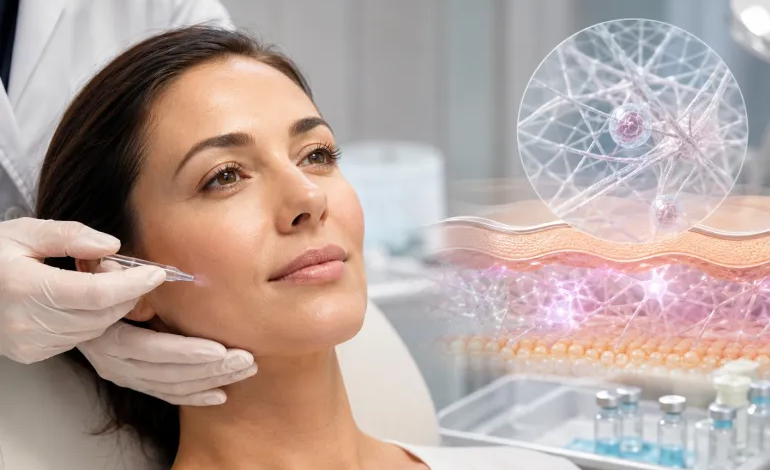
A new anti-aging treatment made from human skin tissue donated after death is attracting growing attention after gaining popularity in South Korea, where it is being used to improve skin quality and restore a more youthful appearance.
Although the treatment has not yet received approval from the U.S. Food and Drug Administration (FDA), a limited number of medical aesthetic clinics in the United States have already begun offering it while its developer seeks full regulatory approval, which is expected to be pursued by 2027.
What Is Elravie Re2O?
The treatment, known as Elravie Re2O, takes its name from the phrase “Return to the 20s,” reflecting its goal of reducing visible signs of aging and improving overall skin health.
Unlike traditional dermal fillers that primarily add volume or temporarily smooth wrinkles, Elravie Re2O is designed to rebuild the skin’s structural foundation and stimulate natural tissue regeneration.
How Is It Made?
The manufacturing process begins with skin tissue donated by deceased individuals in the United States after all required legal and ethical consents have been obtained.
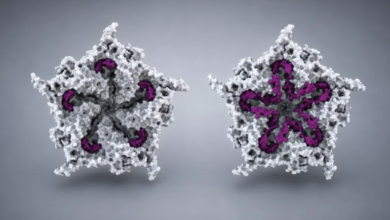
The donated tissue is then processed in specialized laboratories where all living cells and genetic material (DNA) are removed, leaving behind only the extracellular matrix (ECM).
This natural biological scaffold contains important structural components, including:
- Collagen
- Elastin
- Hyaluronic acid
- Adhesive glycoproteins
These materials provide a supportive framework that encourages the patient’s own skin cells to attach, grow, and regenerate damaged tissue.
According to specialists, removing all cellular material significantly reduces the risk of immune rejection and allergic reactions while preserving the skin’s essential structural proteins.
Regenerating Skin Instead of Filling Wrinkles
Medical experts describe the product as an acellular dermal matrix, a scientific term that more accurately reflects its composition than referring to it as “collagen derived from cadavers.”
Rather than simply filling wrinkles, the treatment aims to restore the skin’s underlying architecture, potentially improving firmness, elasticity, and long-term skin quality.
Early Clinical Experience
The treatment has been available in several dermatology clinics across South Korea since late 2024.
Dr. Kim Han-sim, a dermatologist in Seoul who has used the treatment since its launch, explained that removing all cells from the donor tissue makes immune rejection and allergic complications extremely unlikely.
Patients have also reported relatively comfortable procedures, with one recipient describing the pain as just 1 out of 10 after applying a topical anesthetic before the injections.
Limited Availability in the United States
Despite the lack of FDA approval, several medical aesthetic clinics in New York have begun offering the treatment on a limited basis while the manufacturer continues the regulatory process required for official authorization.
Potential Benefits
Preliminary findings suggest the therapy may help:
- Improve skin density and elasticity
- Reduce wrinkles and fine lines
- Enhance skin hydration
- Minimize the appearance of pores
- Create smoother and firmer-looking skin
Potential Risks
Because the product is derived from donated human tissue, experts note that theoretical risks remain, including:
- Immune reactions
- Infection
- Tissue contamination
- Disease transmission if donor screening or manufacturing protocols fail
Although modern processing techniques greatly reduce these risks, specialists emphasize that they cannot be considered completely eliminated, highlighting the importance of strict donor screening, laboratory processing, and regulatory oversight before widespread clinical use.